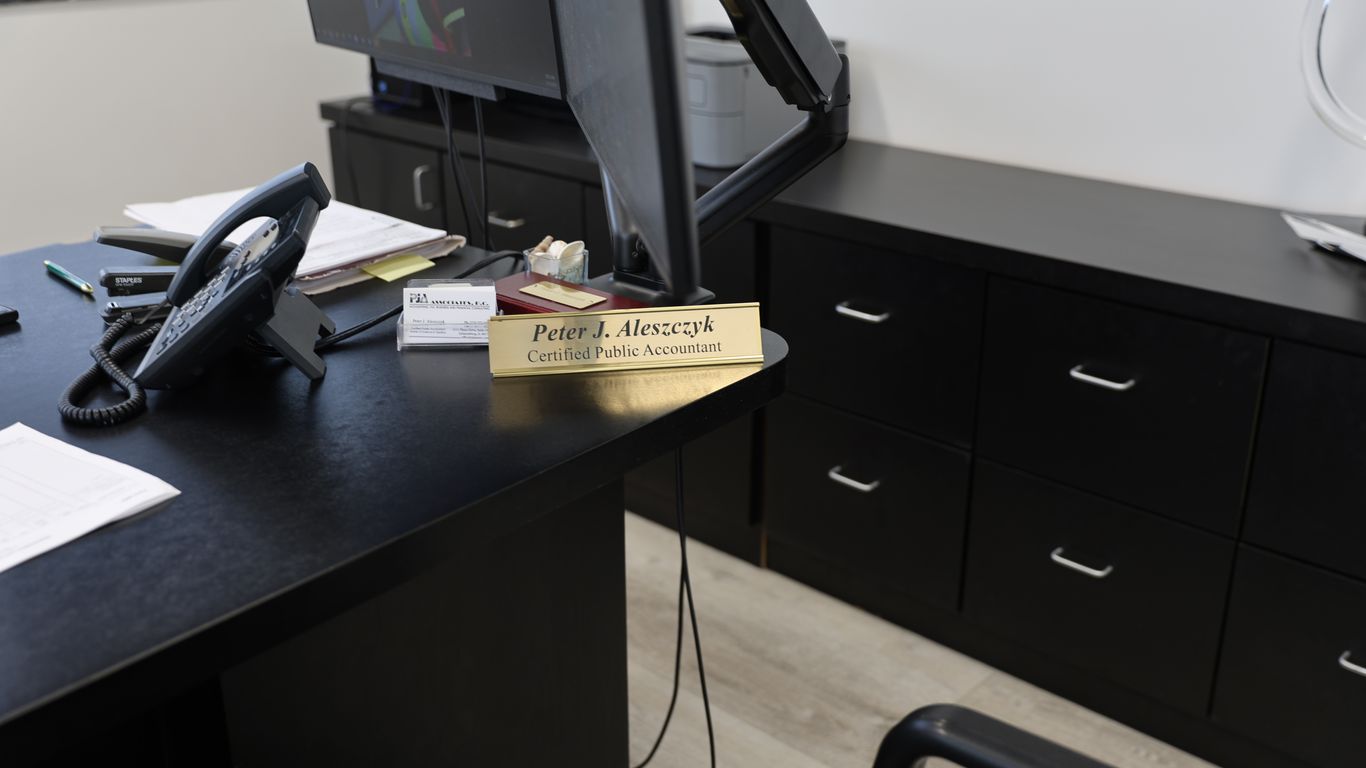
Looking for a good accountant can feel like a chore, right? You want someone who knows their stuff, especially when it comes to your money or your business. If you're asking yourself, 'Where can I find the best CPA services near me?', you're in the right place. This guide will help you figure out what you need and how to find a local CPA who fits the bill. We'll break down what CPAs do, how to spot the right one, and what questions to ask. Let's get started.
Key Takeaways
- Understand that CPA services cover basic bookkeeping, tax help, and advice for your business.
- Figure out what you need most: help with personal money goals, growing your business, or staying compliant with rules.
- Check out potential CPAs for their experience, what other clients say, and how easy they are to talk to.
- Local CPAs often have a better handle on local tax rules and can be more convenient.
- Ask CPAs about their client relationships, how they charge, and all the services they provide before you decide.
Understanding What CPA Services Entail
So, what exactly does a CPA do? It’s more than just crunching numbers, though that’s a big part of it. Certified Public Accountants, or CPAs, are licensed professionals who handle a wide range of financial tasks for individuals and businesses. They are your go-to experts for anything involving money management, taxes, and financial planning.
Core Accounting Functions
At its heart, accounting is about keeping track of money. This includes:
- Bookkeeping: Recording daily financial transactions, like sales, purchases, and payments.
- Financial Statement Preparation: Putting together reports like the balance sheet, income statement, and cash flow statement. These give a snapshot of a company's financial health.
- Auditing: Reviewing financial records to make sure they are accurate and follow rules. This is often required for businesses.
- Payroll: Managing employee payments, including taxes and deductions.
Tax Planning and Preparation
This is probably what most people think of when they hear "CPA." They help you figure out your taxes and file them correctly. This involves:
- Tax Return Filing: Preparing and submitting federal, state, and local tax returns for individuals and businesses.
- Tax Planning: Looking ahead to minimize your tax burden legally. This means finding deductions and credits you might be missing.
- IRS Representation: If the IRS has questions or issues, a CPA can speak on your behalf.
Dealing with taxes can be confusing, and mistakes can be costly. Having a professional guide you through the process can save you a lot of headaches and money.
Business Advisory Services
Beyond the day-to-day and tax stuff, CPAs can also act as trusted advisors for your business. They can help with:
- Financial Analysis: Looking at your financial data to find trends and areas for improvement.
- Budgeting and Forecasting: Helping you plan your finances for the future.
- Business Valuations: Determining the worth of a business, which is important for sales or investments.
- Business Formation: Advising on the best legal structure for a new business.
These services go beyond basic record-keeping and tax filing, providing strategic insights to help your business succeed. You can find professionals who offer guidance in areas like business entity formation.
Essentially, CPAs help you understand your financial picture, stay compliant with the law, and make smarter decisions for your money. They are licensed accounting experts who can provide valuable assistance with your financial and tax needs Certified Public Accountants (CPAs).
Identifying Your Specific Needs for CPA Services
Before you start looking for a CPA, it's a good idea to figure out what you actually need. Trying to find the right help without knowing what you're looking for is like going to the grocery store without a list – you might end up with a lot of stuff, but not necessarily what you need.
Personal Financial Goals
For individuals, a CPA can help with a lot more than just filing taxes. Think about where you want your money to go. Are you saving for a house? Planning for retirement? Maybe you're dealing with an inheritance or looking to set up a trust fund. A CPA can help you make a plan to reach these goals. They can look at your current financial situation and suggest ways to save more, invest smarter, and reduce your tax burden along the way. It's about making your money work for you, not the other way around.
- Retirement planning strategies
- Investment advice and tax implications
- Estate and trust planning
- Managing unexpected windfalls (like lottery winnings or inheritances)
Business Growth Strategies
If you own a business, your needs will be different. You might be focused on growing your company, making it more profitable, or even preparing to sell it down the line. A CPA can be a real partner here. They can help with things like:
- Budgeting and financial forecasting to plan for the future.
- Setting up accounting systems that make sense for your business.
- Analyzing your business's financial health to spot areas for improvement.
- Helping you understand the tax implications of business decisions, like expanding into a new market or taking on new debt.
Working with a CPA can give you a clearer picture of your business's financial standing, helping you make informed decisions that support growth and stability.
Compliance and Regulatory Requirements
No matter if you're an individual or a business owner, there are rules and regulations you have to follow, especially when it comes to taxes. Missing deadlines or making mistakes can lead to penalties and interest. A CPA stays up-to-date on all the changing tax laws and reporting requirements. They can make sure you're compliant, which means less stress for you. This is especially important for businesses that operate in multiple states or have complex financial structures. For businesses, understanding various types of insurance can also be part of staying compliant and protected.
- Ensuring timely tax filings
- Staying current with tax law changes
- Avoiding penalties and interest charges
- Meeting industry-specific reporting needs
Evaluating Potential CPA Firms
So, you've figured out what you need from a CPA. Great! Now comes the part where you actually find one. It's not just about picking the first name you see. You've got to do a little digging to make sure they're a good fit for you and your situation. Think of it like hiring someone for your team – you want someone reliable and skilled.
Experience and Specializations
Not all CPAs are the same. Some are generalists, handling a bit of everything. Others have really honed in on specific areas. If you're a small business owner, you might want a CPA who has worked with other small businesses. Maybe you have a specific industry, like tech startups or real estate. Finding someone who knows the ins and outs of your field can make a big difference. They'll likely understand the unique challenges and opportunities you face. It’s also worth looking into how long they've been in business. A firm that’s been around for a while often means they’ve built a solid client base and know how to handle various financial matters. For instance, understanding how to value an accounting firm can be important if you're looking to buy or sell one.
Client Testimonials and Reputation
What are other people saying about them? Online reviews and testimonials can give you a good sense of what it's like to work with a particular CPA firm. Look for patterns in what clients praise or criticize. Are they known for being responsive? Do clients feel like they get good value? A strong reputation usually means they're doing good work and treating their clients well. It’s like asking around for recommendations before trying a new restaurant.
Communication and Accessibility
This is a big one. You need to be able to talk to your CPA, right? How easy is it to get in touch with them? Do they respond to emails or calls promptly? Do they explain things in a way you can actually understand, or do they just use a bunch of confusing accounting terms? You want someone who makes you feel comfortable asking questions. It’s also about how they communicate. Do they just send you a bill at the end of the year, or do they proactively reach out with advice? Some firms might offer different levels of service, like basic tax prep versus ongoing financial planning, which can affect how you interact with them.
Finding the right CPA is about more than just their technical skills. It's about building a relationship where you feel heard, understood, and confident in their guidance. Don't be afraid to ask questions and gauge how well they communicate their ideas to you.
The Importance of Local Expertise
When you're looking for a CPA, it might seem like any accountant can do the job, right? Well, not exactly. There's a lot to be said for finding someone who really knows your area. Local CPAs understand the specific landscape you're operating in.
Understanding Local Tax Laws
Tax laws aren't just federal; they have state and even city components. These can change, and a local CPA stays on top of these specific regulations. They know the ins and outs of what applies to businesses and individuals in your town or region. This means they can help you take advantage of local incentives or avoid unexpected penalties that someone from out of state might miss.
- Staying current with state tax code changes.
- Knowing local business licensing requirements.
- Understanding regional economic development programs.
Networking Within Your Community
A CPA who is part of your local business scene often has a network of contacts. This can be helpful beyond just tax and accounting. They might know other professionals you could work with, like lawyers or bankers, who also understand the local market. It's like having a guide who knows all the shortcuts and the best places to go.
Building relationships locally means your CPA is more invested in your success and can connect you with others who are too.
Convenience and Accessibility
Let's be honest, sometimes you just need to drop off some papers or have a quick chat. Having a CPA nearby makes this much easier. You can schedule in-person meetings without a long drive, which saves time and hassle. Plus, if there's an urgent issue, being able to meet face-to-face can be a big relief. It's about having someone accessible when you need them most, not just a voice on the phone from miles away. This can be particularly helpful for small business owners who need quick answers to keep things moving. For example, understanding insurance policies that protect your business is easier when you can discuss it with someone local who understands the regional risks, like those discussed in business strategy case studies.
Choosing a local CPA means you're not just getting an accountant; you're getting a neighbor who's invested in your community and your financial well-being.
Questions to Ask Prospective CPAs

So, you've narrowed down your choices for a CPA. That's great! But before you sign anything, it's smart to have a chat. Think of it like a first date for your finances. You want to make sure you're a good match. Asking the right questions can save you a lot of headaches down the road. It helps you understand their style, what they charge, and if they're really the right fit for what you need.
Their Approach to Client Relationships
How do they see their role with clients? Are they just there to file your taxes once a year, or do they want to be a partner in your financial journey? It's good to know if they're proactive or reactive. Do they reach out with ideas, or do you always have to be the one to call them?
- How often will we communicate throughout the year?
- What's the best way to reach you or your team?
- Will I be working with the same person each time, or will it change?
- How do you keep clients updated on tax law changes that might affect them?
It's important to feel comfortable with the person or firm you choose. You'll be sharing sensitive financial information, so trust and clear communication are key. Don't be afraid to ask about their communication style and how they handle client questions.
Fee Structures and Billing Practices
Money talk can be awkward, but it's super important. You need to know how they charge and what you're getting for your money. Some CPAs bill by the hour, others have fixed fees, and some might use a retainer. Understanding this upfront helps avoid surprises.
- What is your billing structure (hourly, fixed fee, retainer)?
- Can you provide an estimate for the services I need?
- Are there any additional fees I should be aware of?
- How do you handle billing for unexpected questions or extra work?
Here's a quick look at common billing methods:
| Billing Method | Description |
|---|---|
| Hourly | Charged for every hour worked. |
| Fixed Fee | A set price for a specific service. |
| Retainer | An upfront payment for ongoing services. |
Services Offered Beyond Basic Accounting
Many CPAs do more than just crunch numbers and file taxes. They can offer advice on business planning, investments, and financial strategy. Think about what else you might need now or in the future. Do they have experience with businesses like yours?
- Do you offer business consulting or financial planning services?
- What is your experience with industry-specific challenges?
- Can you assist with budgeting, forecasting, or cash flow management?
- Do you have connections with other professionals like attorneys or financial advisors if needed?
Making the Final Decision on CPA Services
So, you've done your homework, asked all the right questions, and met with a few potential CPAs. Now comes the part where you actually pick one. It’s a big decision, and it’s totally normal to feel a little pressure. The goal is to find someone you feel good about working with, not just someone who knows their stuff.
Assessing Fit and Trust
This is where you really get a feel for the person or firm. Think about how the conversations went. Did you feel heard? Did they explain things in a way that made sense to you, or did you leave feeling more confused? Trust is a big part of this. You're going to be sharing a lot of personal or business financial details, so you need to feel comfortable and confident in their integrity. It’s like choosing a doctor; you want someone you can rely on.
Consider these points:
- Comfort Level: Do you feel at ease talking to them about potentially sensitive financial matters?
- Clarity of Communication: Were their explanations clear and easy to understand?
- Responsiveness: Did they get back to you in a timely manner when you had questions?
- Professionalism: Did they present themselves professionally during your interactions?
Sometimes, the best choice isn't just about the lowest price or the most services. It's about finding that sweet spot where you feel confident, understood, and well-supported. That connection matters.
Understanding Engagement Letters
Once you've decided on a CPA, they'll likely present you with an engagement letter. Don't just skim this! It's a formal document that outlines exactly what services the CPA will provide, what your responsibilities are, and how much it will cost. It’s basically the contract for your working relationship. Make sure you read it carefully and ask questions if anything is unclear. This letter protects both you and the CPA by setting clear expectations. It's important to know what you're signing up for, especially when it comes to tax preparation and filing.
Starting Your Partnership
After signing the engagement letter, you're officially in business together. The next step is usually to start gathering the necessary documents and information. Your CPA will guide you on what they need and by when. Be prepared to be organized and provide information promptly. This initial phase sets the tone for the entire relationship. Think of it as the foundation for a successful financial year ahead. A good working relationship with your CPA can make a significant difference in managing your finances and achieving your goals, whether personal or for your business growth strategies.
Choosing the right CPA firm is a big step. You want to make sure they understand your needs and can help you succeed. Take your time, ask questions, and find the perfect fit for your business. Ready to make that final choice? Visit our website today to learn more about how we can help you!
Wrapping Things Up
So, finding the right CPA doesn't have to be a huge headache. We've gone over a few ways to look for someone good, whether it's asking friends or doing some online searching. Remember, a good accountant can really make a difference for your money, whether you're just starting out or have been running a business for a while. Since 1993, we've been helping people with their accounting and taxes, and we know how important it is to get good advice. Don't be afraid to ask questions and find the person who fits what you need. It's worth the effort to get your finances sorted.
Frequently Asked Questions
What exactly does a CPA do?
Think of a CPA (Certified Public Accountant) as a financial expert. They help with important money stuff like keeping your business's books in order, figuring out your taxes so you pay the right amount, and giving you advice to help your business do better. They're like your personal money guide!
How do I know what kind of help I need from a CPA?
First, think about what you want to achieve. Are you trying to save more money for yourself? Does your business need a boost to grow? Or do you just need to make sure you're following all the money rules? Knowing your goals helps you find the right CPA to help you get there.
How can I tell if a CPA firm is good?
Look for CPAs who have helped people like you before, especially with the things you need help with. Reading what other clients say can give you clues. Also, make sure they are easy to talk to and get in touch with when you have questions.
Is it better to find a CPA who is nearby?
Often, yes! A local CPA knows the money rules and tax laws specific to your area, which can be super helpful. Plus, it's easier to meet up with them in person if needed, and they might know other local business people who could help you.
What should I ask a CPA before hiring them?
It's smart to ask how they work with clients – do they listen well? Also, find out how much they charge and how they bill you. Ask them what services they offer, beyond just the basic number crunching, to make sure they can help with all your needs.
Once I pick a CPA, what's next?
You'll want to feel comfortable with your choice and trust them with your finances. They'll likely give you a formal agreement, called an engagement letter, that explains what they'll do. Then, you can start working together to reach your financial goals!